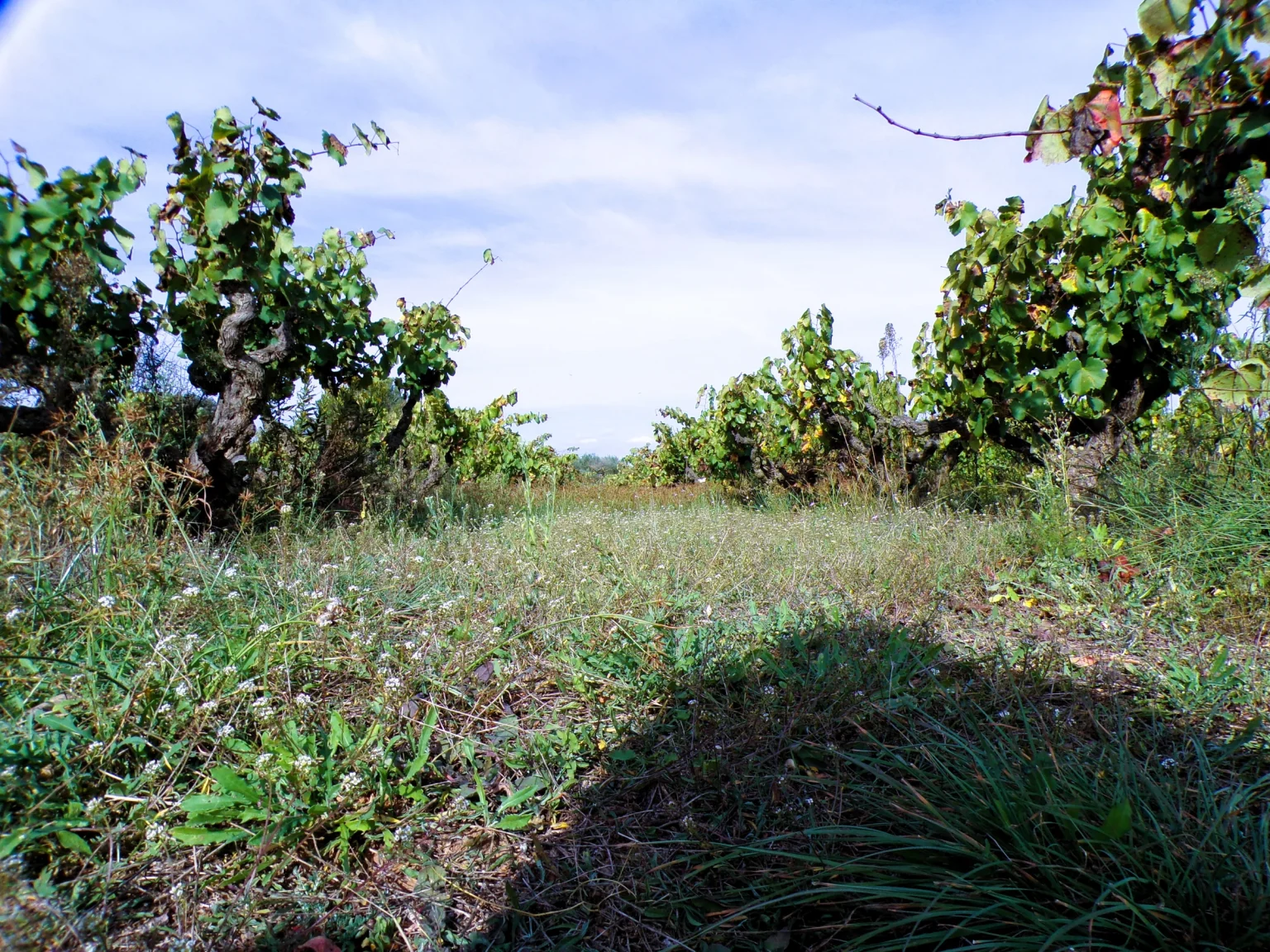
At Bellmunt i Oliver in Cabanes, Castellón, we tend the vineyard by paying attention to what happens in the soil, the plants covering it and the water each plot receives. Regenerative farming guides this work: observing how the farm functions and adapting our management to care for its biological fertility and its ability to cope with adverse conditions.
Our experience, updated in October 2026
Organic matter
Working to improve the soil's structure, life and water-holding capacity.
Biodiversity
Ground cover, insects, microbiology and landscape as allies.
Wine with roots
Quality begins long before the grapes enter the winery.
From organic certification to regenerative management
As of October 2026, we have eight years of organic certification for the winery, vineyards and olive groves, and five years of regenerative practices. These are two milestones in our journey that relate to different aspects of our work.
Organic certification attests to compliance with its requirements. Our regenerative management adds attention to how the soil, water and biodiversity of each plot function. We adapt it to local conditions and to what we observe.
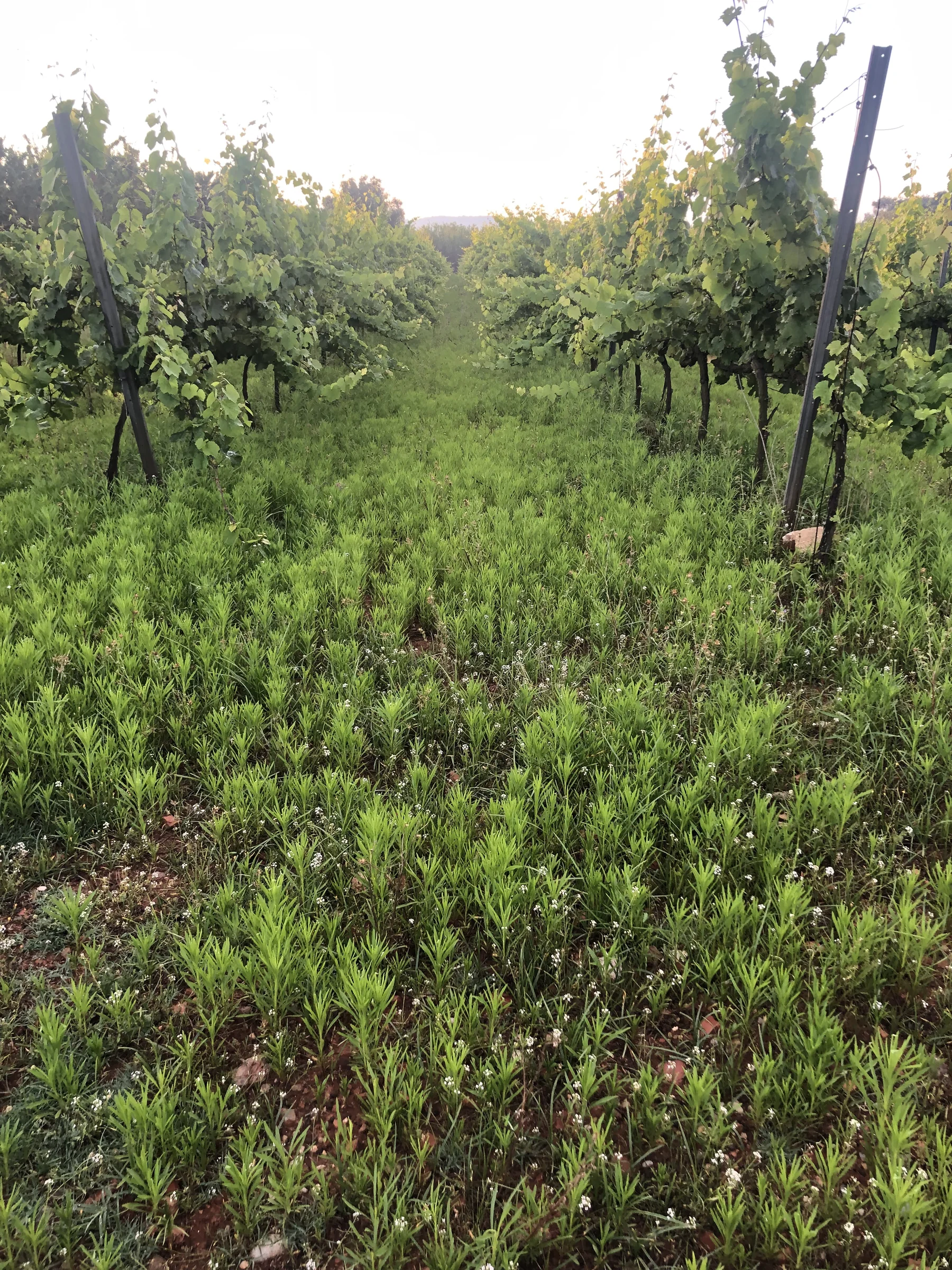
Soil covered throughout the year
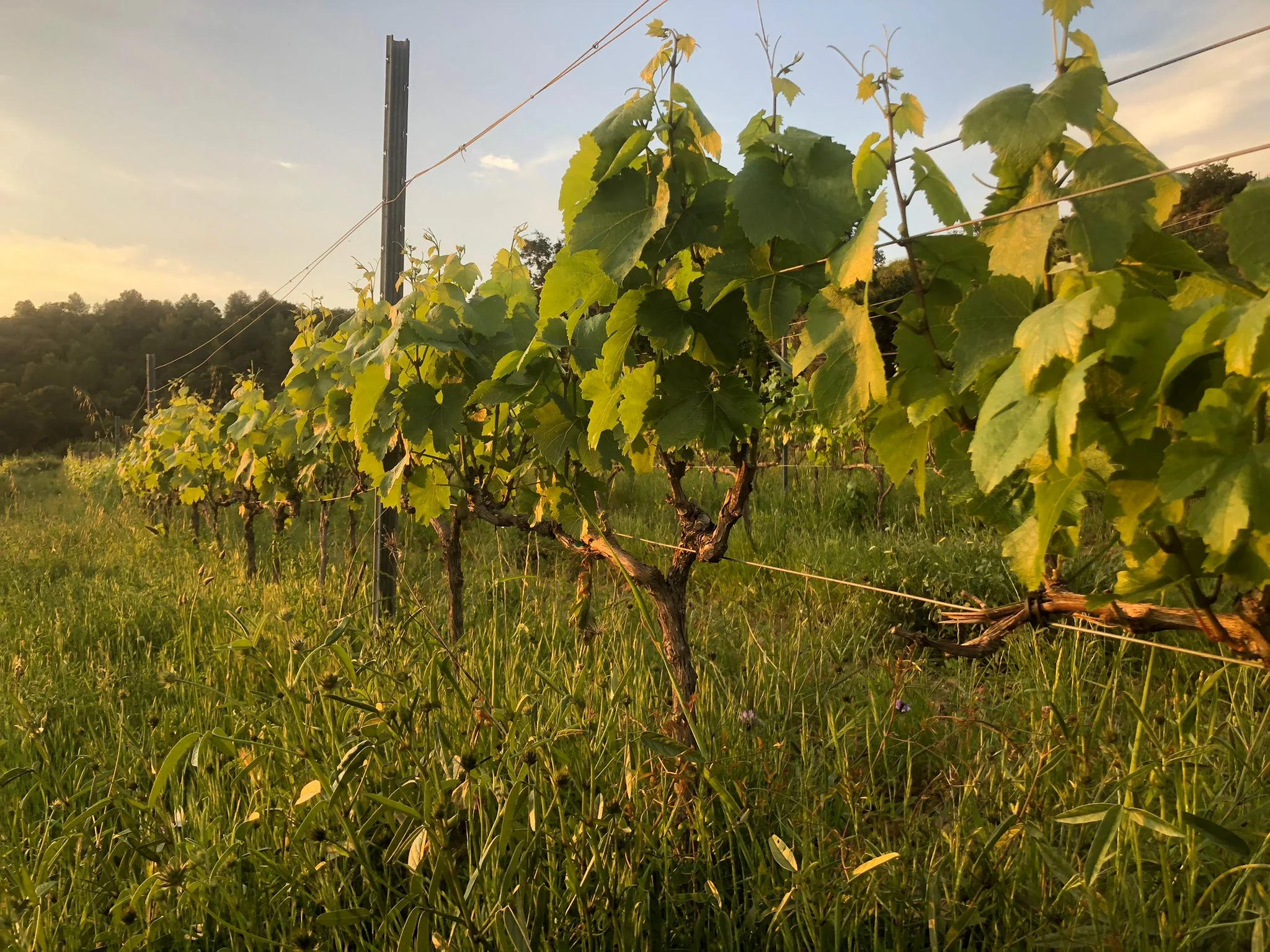
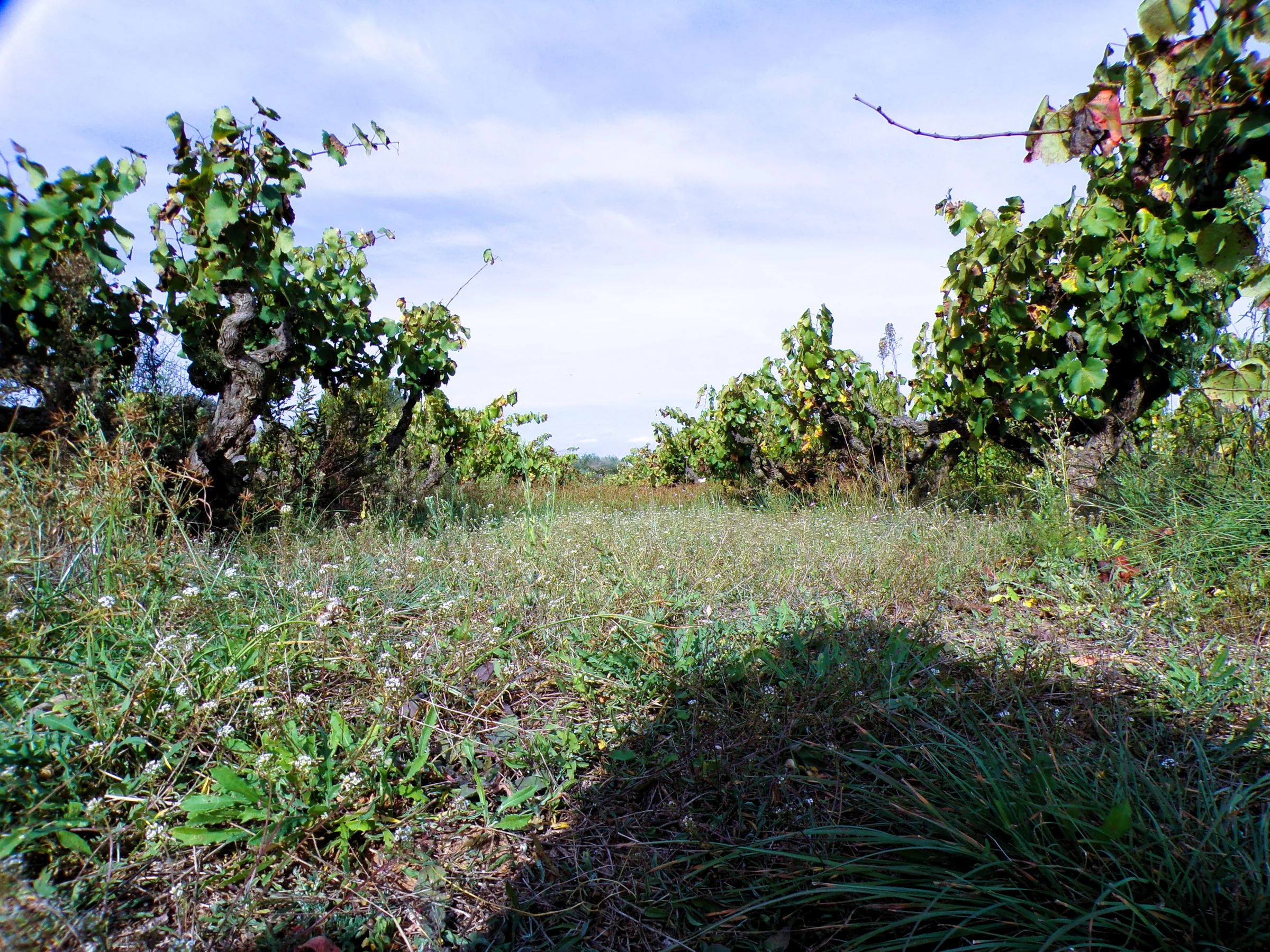
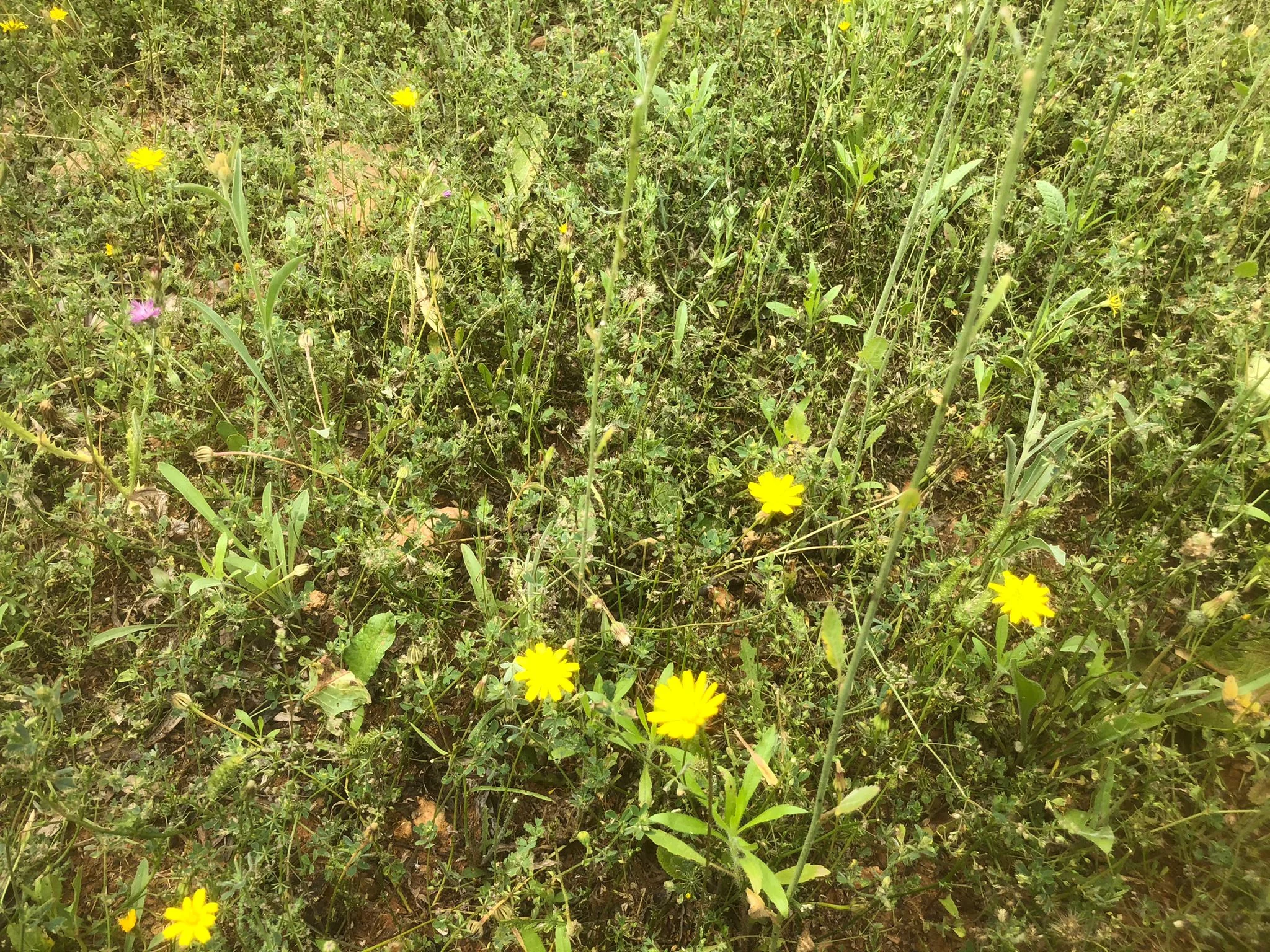
We maintain plant cover on 100 % of our farmland throughout the year. These are the plants growing between crops and covering the ground. We regulate their growth through controlled mowing, adapting it to the conditions of each plot.
Through this management we aim to keep the soil protected and provide biomass: plant material that can return to its cycle. Maintaining plant cover means observing it and deciding when to intervene.
Returning what the farm produces to the soil
We shred pruning residues and return them to the same plots. We also add compost. This returns organic matter to the soil and keeps some of the farm’s resources within its production cycle.
We complement this work with inoculations of microorganisms native to the farm, meaning we introduce microorganisms originating there. We aim to support the activity and diversity of soil organisms.
We pay particular attention to fungi and their hyphae, the filaments through which they grow and form networks. This guides our management; it does not mean we have measured fungal dominance. Bacteria are also part of soil life.
Helping water enter the ground
On our plots we use water redistribution systems designed to slow runoff and aid infiltration. Runoff is water flowing across the surface; infiltration is its entry into the soil.
We work on this alongside plant cover and organic inputs. The aim is to make better use of water within the farm. We do not attribute a specific saving to these measures without comparable records.
More diversity at Les Argamasses
At Les Argamasses we integrate agroforestry areas and a food forest based on syntropic farming principles. Agroforestry combines trees with other agricultural components; in syntropic management we consider the space plants occupy and how their association changes over time.
Trees, shrubs and other plants occupy different heights and contribute diversity and biomass to the whole. The term “food forest” describes the system: it does not mean that every plant present is edible.
Beehives, hens, turkeys and other animals are also part of the farm. We consider their presence alongside crop and vegetation management, without attributing results to them that we have not documented.
In the food forest at Les Argamasses, we cut back plants we do not want to keep and prune trees and shrubs that have no fruit. We leave these cuttings on the ground as mulch, aiming to support the plants we want to keep. This example relates specifically to the farm’s food forest.
Caring for the vineyard and working in the winery
We carry out vineyard care by hand. Managing plant cover and plant residues includes the mowing and shredding operations described. We do not use herbicides, insecticides or systemic products to control pests and diseases.
In the winery we follow a minimal-intervention approach. This expression describes how we work; to find out how a particular wine is made, see its page.
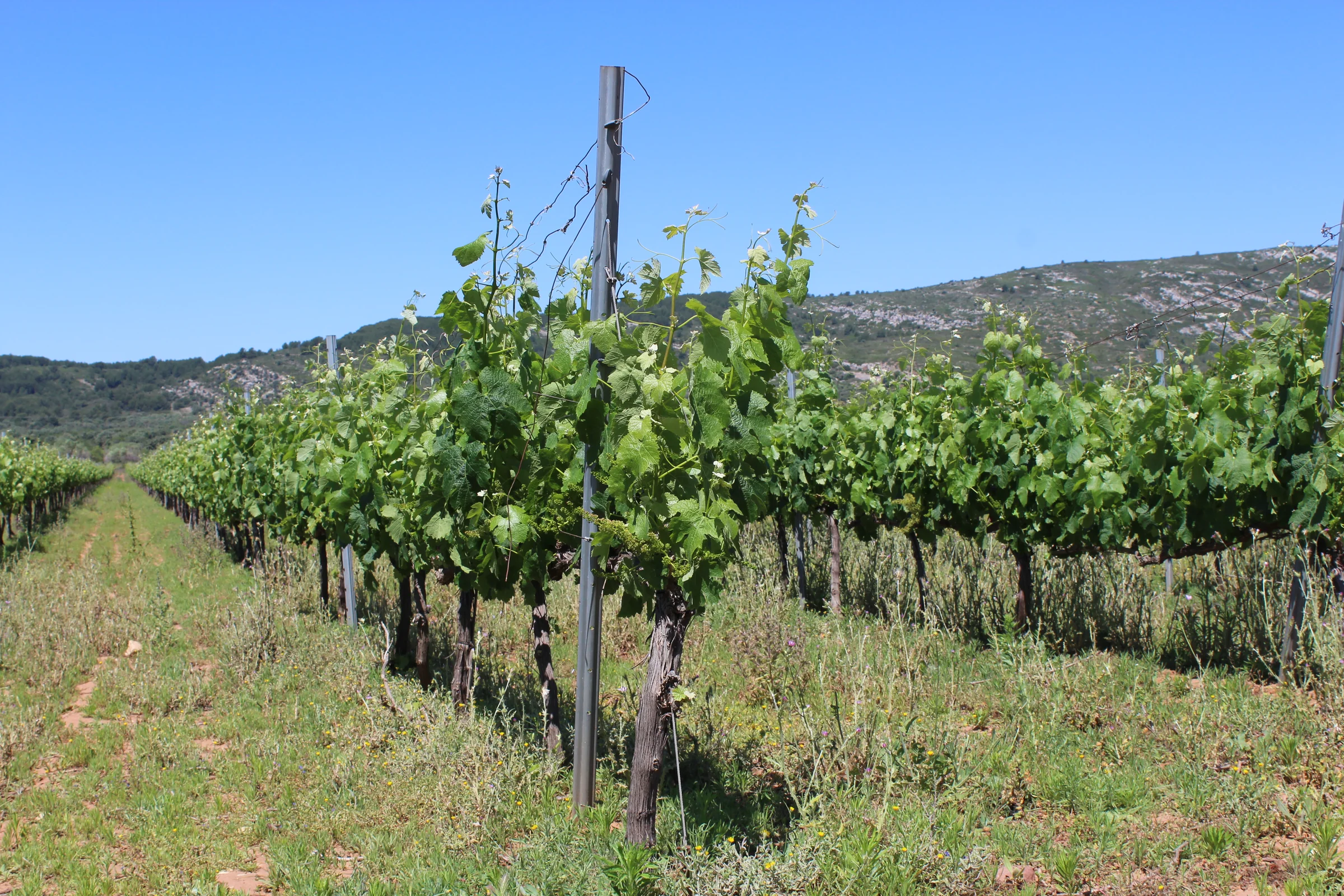
Photographs of our farmland
The changes we observe
Víctor describes these changes from the winery’s experience of growing and winemaking. They are not measured percentage improvements or a guarantee for other farms.
Response to drought and pest pressure
We observe that, as management continues, plants respond progressively better to periods of drought and pressure from pests and diseases. We speak of resilience: the ability to cope with adverse conditions and recover their functioning afterwards. This does not mean immunity or an absence of problems.
Yield, costs and quality
On our farm we observe an initial fall in yield during the transition, followed by a recovery that, over the medium and long term, comes to exceed previous production. We also perceive lower costs and an improvement in product quality.
This is our experience; we do not set a universal timeframe or a percentage increase or saving. Climate, plots, crop age and management vary between seasons.
Simpler winemaking
In the winery we find that winemaking is simpler and proceeds with fewer incidents. We value this operational change alongside grape and wine quality. We do not attribute it to a proven microbiological mechanism, nor does it mean that every vintage is free of difficulties.
We keep learning from each season. Connecting observations with comparable field and winery records will help us describe this development more precisely and distinguish the effect of each practice.
Questions about our management
What is the difference between organic and regenerative?
Organic certification concerns compliance with its requirements. When we discuss our regenerative management, we explain how we work with the soil, vegetation, water and biodiversity of our plots. The terms are not interchangeable.
Why do you keep plants between crops?
We aim to keep the soil protected and provide biomass. We manage their growth through controlled mowing and adapt it to the conditions of each plot.
Do you use pruning residues?
Yes. We shred them and return them to the same plots, along with other inputs such as compost.
Can you guarantee higher production or resilience on any farm?
No. The changes we describe come from our experience and depend on the conditions of each plot and season. They are not a promise of yield, savings or freedom from pests or diseases.
Sharing experience in regenerative viticulture
We are members of the Asociación de Viticultura Regenerativa, a forum for sharing knowledge about vineyard management and soil care. You can browse its members and learn about its work on the association’s website.
Discover the vineyard and keep learning
You can explore the visits and experiences we offer on our wine tourism page, where you will find their conditions and how to enquire about a booking. To learn more about living soil and agricultural management, you can consult the resources at Regenera tu Suelo.
Winery visits and wine tourism experiences